
How can you tell artisan coffee from supermarket coffee? Coffee is essentially... a pleasure , the most indispensable and precious of ephemeral goods. But the differences between a artisanal coffee and an industrial one What are they? What matters is the roasting. Drinking your cup probably you may never have thought about it , what you have in front of you, until a short time ago, was an unsuspected unripe berry , which through various stages ends up transforming into that something that makes you start the day with an extra boost, and with a great taste in the mouth. The coffee.

It's all in the transformation process: artisanal or industrial. Well yes, there is a difference between the Two types of coffee . Curious to learn more? First of all, before being poured into the cup, coffee must go through several stages , ranging from the cultivation of the plant to the roasting process, from grinding to the composition of the blends and finally packaging. For each of these steps, the producer's approach will be different depending on whether it is a large multinational or a small local artisan, such as Caffè Negro, an artisanal coffee roaster in Limite sull'Arno, in the province of Florence, since 1950. But let's take it one step at a time.
HOW TO CHOOSE THE BEST ARTISAN COFFEE
There are more than in the world 75 different varieties of coffee plants and what interests the small coffee artisan most is to buy a quality raw material high, which allows them to package the best possible drink, while for the industry what matters is obtaining large quantities of beans for large-scale production. In practice, this translates into greater attention by the individual roaster to the conditions of the coffee plantations from which he supplies himself, evaluating cultivation, harvesting and shipping methods, because as an expert he knows well that the type of soil, humidity, irrigation system, etc., can affect seed quality.
CLICK HERE TO DISCOVER CAFFE' NEGRO PRODUCTS

ARTISAN COFFEE PROCESSING
CAFFE' NEGRO ARTISAN COFFEE BLENDS
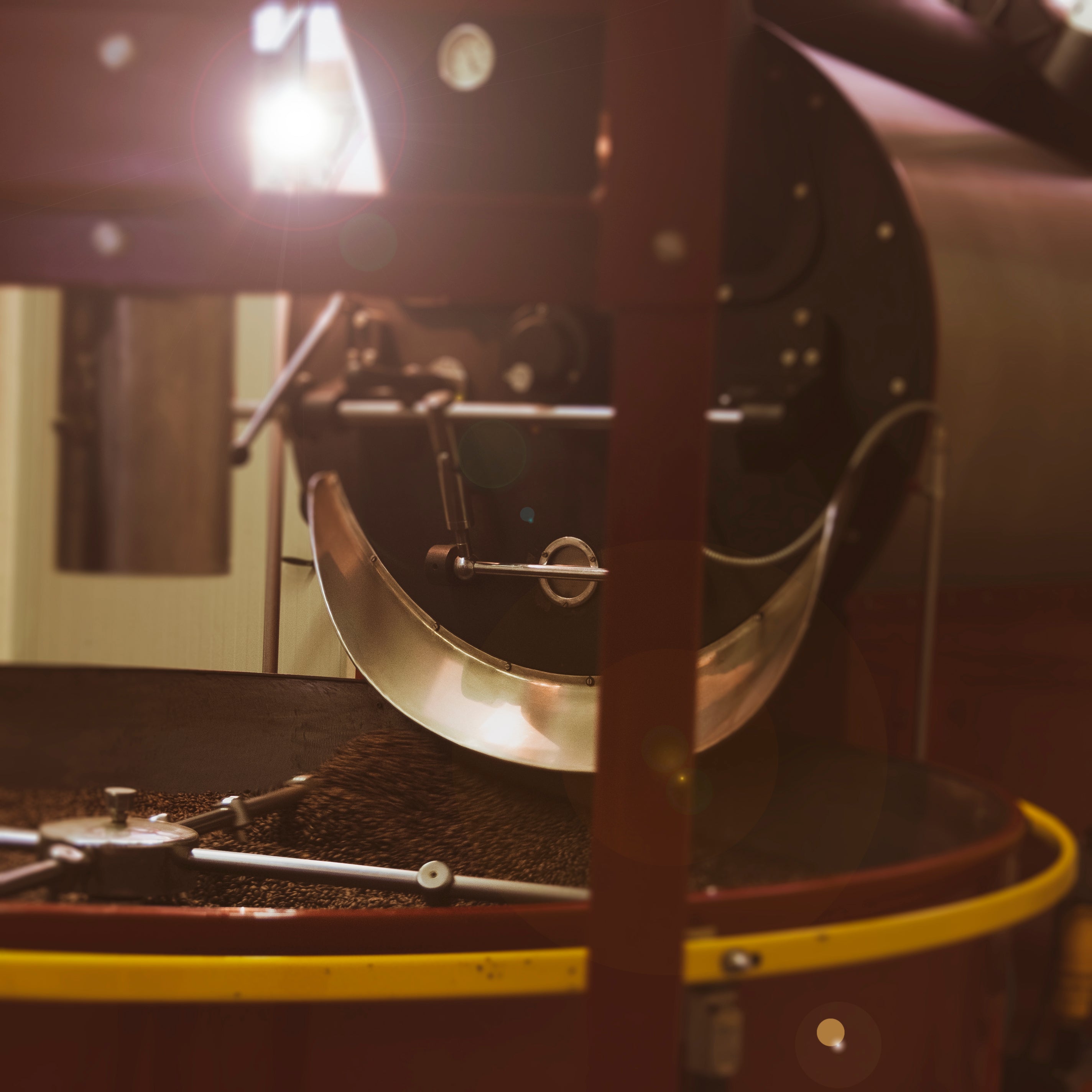
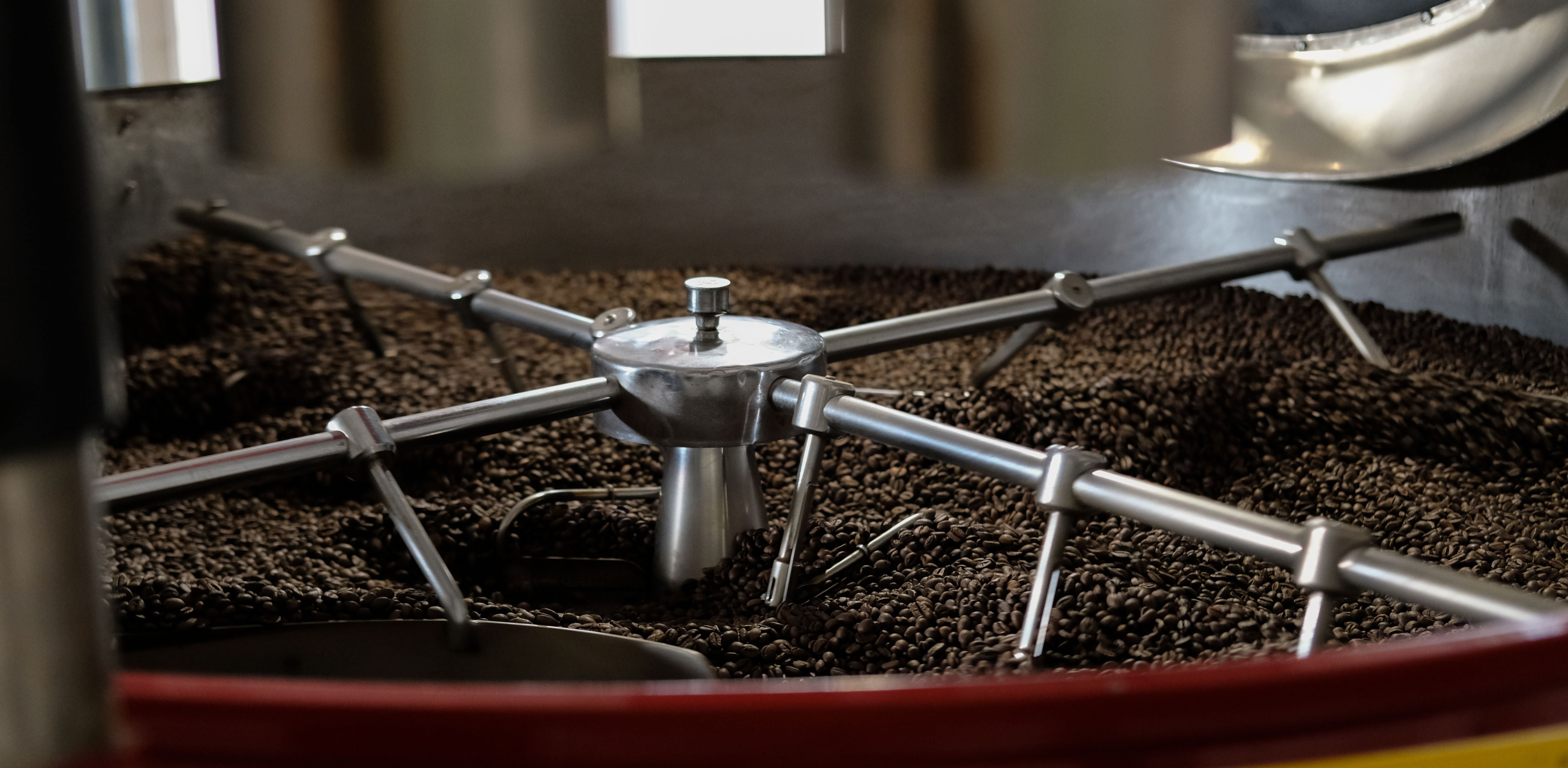
When the roaster makes the difference. If roasted badly, in fact, coffee tends to be more acidic and bitter , while a perfect roasting enhances its natural aroma, giving the drink a full-bodied and pleasant taste. primary purpose of the craftsman is to offer its customers a high quality coffee that has the best possible flavour. Everything is therefore characterised by this constant search for qualitative perfection, This is why great attention is paid to correctly balancing the blends, which can be classic or new experiments. Obviously, this does not mean that industrial coffee is necessarily poor, a lot also depends on according to personal tastes of those who drink it. However, a good portion of coffee consumers They know nothing but the coffee from large-scale distribution , unaware of the fact that what they drink every day could have a different taste: because the difference is in the hand of man which can transform a standard product into a unique experience.