What does organic coffee mean?
Good eating habits help you live better and healthier. This means choosing healthy, controlled foods and beverages. Therefore, even the choice of coffee, a constant and indispensable pleasure in our daily lives, must be careful and informed. Pouring organic coffee into a cup means enjoying a product made from certified raw materials that are free of chemicals. Specifically, organic farming is characterized by cultivation and processing methods that use organic substances, effectively limiting or completely avoiding the use of chemicals such as additives, pesticides, and fertilizers.
Naturally, this also involves less intensive use of land and labor, and a less significant impact on the environment. Organic coffee plants are grown in the shade of very tall trees, which provide humidity and shelter from the sun, creating a perfect climate that promotes the production of high-quality coffee. Furthermore, this process seeks to improve the substrate, using techniques that make it more fertile and avoid depleting the soil's mineral properties.
Organic coffee, like any other organic crop, must comply with international standards throughout the production process, from the field to final packaging. This means that coffee plants must follow a protocol that includes the use of natural fertilizers. Plantations are therefore protected from disease and pests using biological control methods (insects that feed on weeds), plant-based substances, minerals, or other plants that naturally combat pest attacks.

Organic Coffee Certifications, a synonym of guarantee
The protocol for organic cultivation in Europe today has a codified regulation shared by all member states, which concerns production, processing and labelling (Law 834. 2007 and 889. 2008 for the
(regulation of the marketing and production of organic products). Until a few years ago, organic products were certified by "private" associations or institutions that, through a system of self-regulation and control, guaranteed compliance with certain quality standards with a brand.
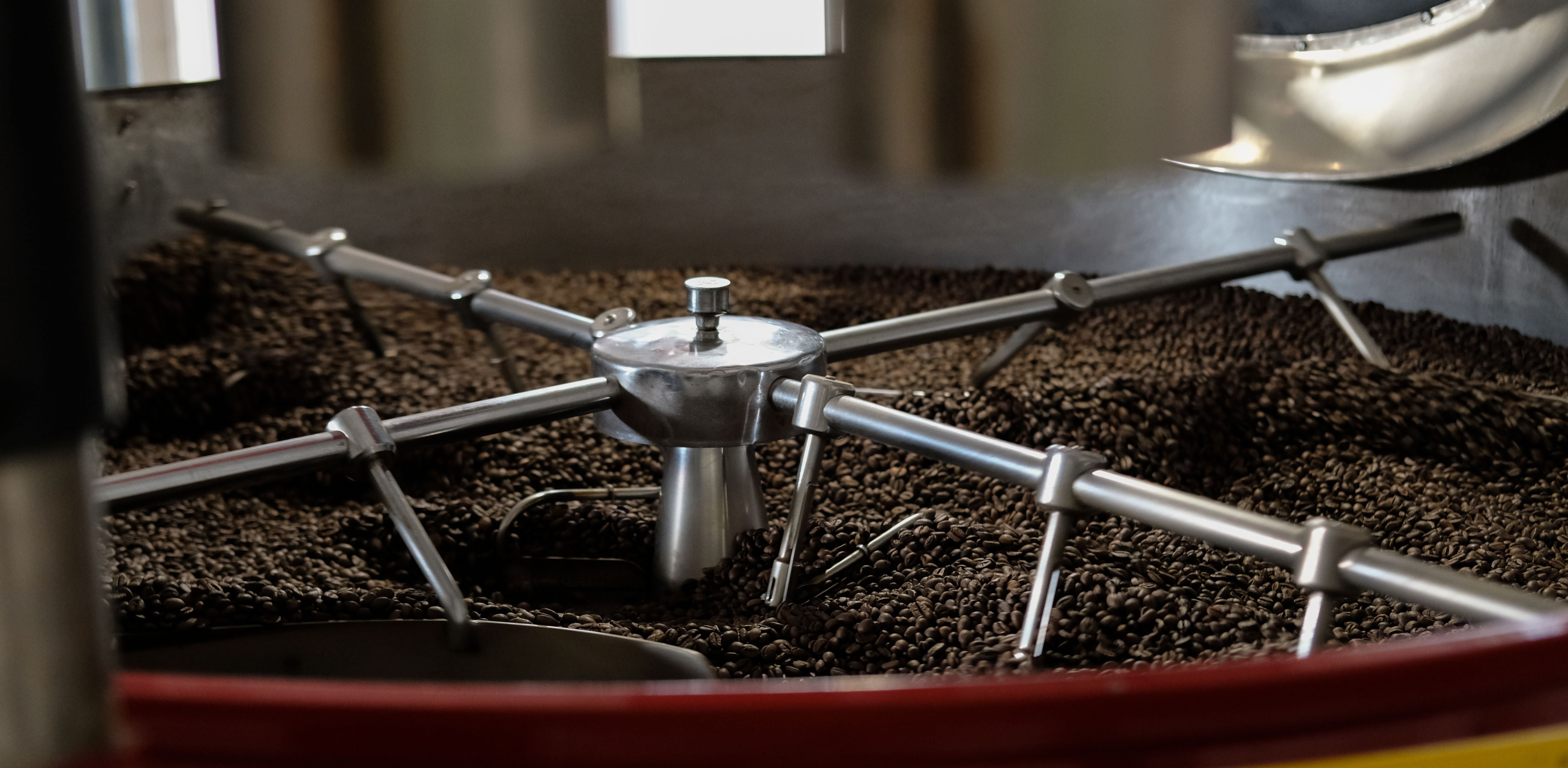
The brands used to be different, and the term "organic product" was interpreted differently by various independent bodies. European legislation has standardized this situation and identified the Eurofoglia brand as the only official one. The organic coffee processed by the Caffè Negro roasting company in Limite sull'Arno strictly follows all the protocols established by the legislation. The organic coffee processing excludes any contamination with other types of beans. From storage in the warehouse to the roasting and grinding stages, to bagging or packaging in pods and capsules, the organic coffee from the Caffè Negro roasting company is kept strictly separate from other products.
Furthermore, in the case of organic coffee pods, the casings are generally made from potato starch, to facilitate their disposal in the garbage without the need to separate the materials, thus avoiding the generation of unnecessary waste.

Why drink organic coffee?
The added value of organic products is both personal, related to health and well-being, and environmental. From this perspective, organic coffee guarantees respect for the environment in the production areas and the limited use of potentially harmful chemicals. A heavy coffee drinker who drinks several cups of organic coffee a day is not exposed to the risks associated with pesticides and chemical fertilizers. The toxins used in agriculture, in fact, are released into the environment through the food we eat. Drinking organic coffee every day prevents these health problems.
Furthermore, the high consumption of organic coffee is a sign of a growing interest, awareness, and commitment to the future of the planet and the human population. Organic farming also means respecting the natural balance indirectly. For example, it doesn't stress the soil or impoverish it, because intensive cultivation and chemical fertilizers aren't used. In short, by choosing organic coffee, you'll help protect the environment overall.
Finally, another reason you surely haven't imagined: organic coffee helps the conservation of our wildlife because organic coffee crops promote the development and protection of birds and insects in particular, respecting their natural habitat.