
What's behind a cup of Arabica coffee?
Coffee is actually divided into hundreds of species. When we sit down to our beloved cup, we often overlook the long journey behind one of the world's most consumed and appreciated beverages. However, if we were to divide the vast universe of coffee in two, we could say that the Arabica (Coffea arabica) and Robusta (Coffea canephora) species are generally used to compose the blends we enjoy both at home and at the bar.
The differences between these two species are numerous, starting with the altitude where they grow, which is certainly one of the main factors influencing the final product. The plant from which Arabica coffee is produced (which alone represents about 70% of the world's coffee production and therefore has a clear predominance over the other) is produced primarily in South America and East Africa. Native to the area between Kenya, Ethiopia, Sudan, and Yemen, it is a crop that requires high altitudes, from 600 to 2,000 meters, to best express its potential: more in
The higher the plant grows, the better the organoleptic qualities of the grains we will have to work with.
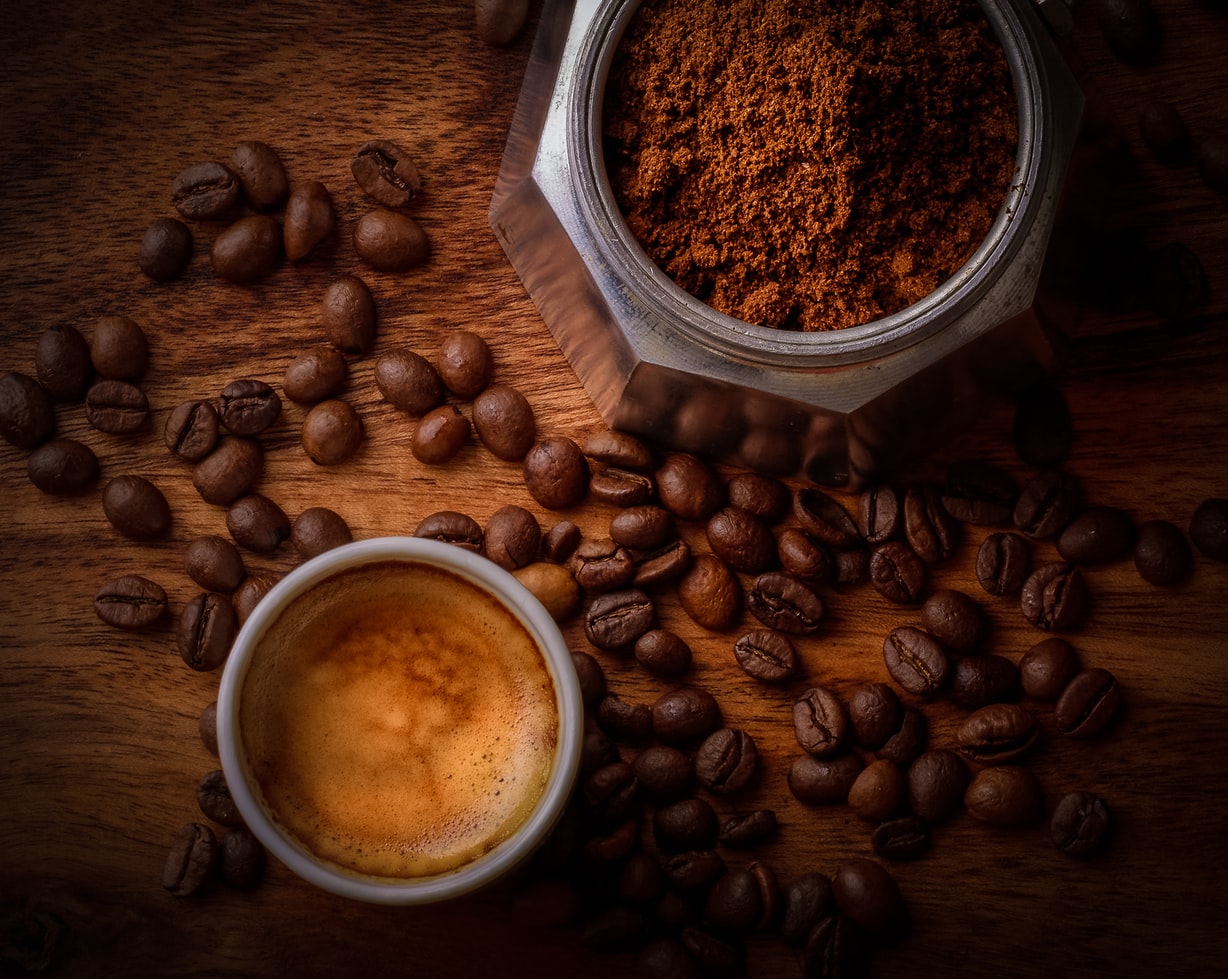
After roasting, it presents a rather elongated bean with a lower concentration of caffeine. Arabica is certainly the first name that comes to mind when you try to associate the beverage you're enjoying with the plant that produced those beans.

Are you an Arabica coffee type? Find out.
Arabica coffee, with its inherent characteristics, is especially loved by those who prefer light roasts, sweet notes, and fruity aromas. The highly fragrant beans yield a delicately acidic brew, less astringent than Robusta and less bitter because it contains more sugar and less caffeine.
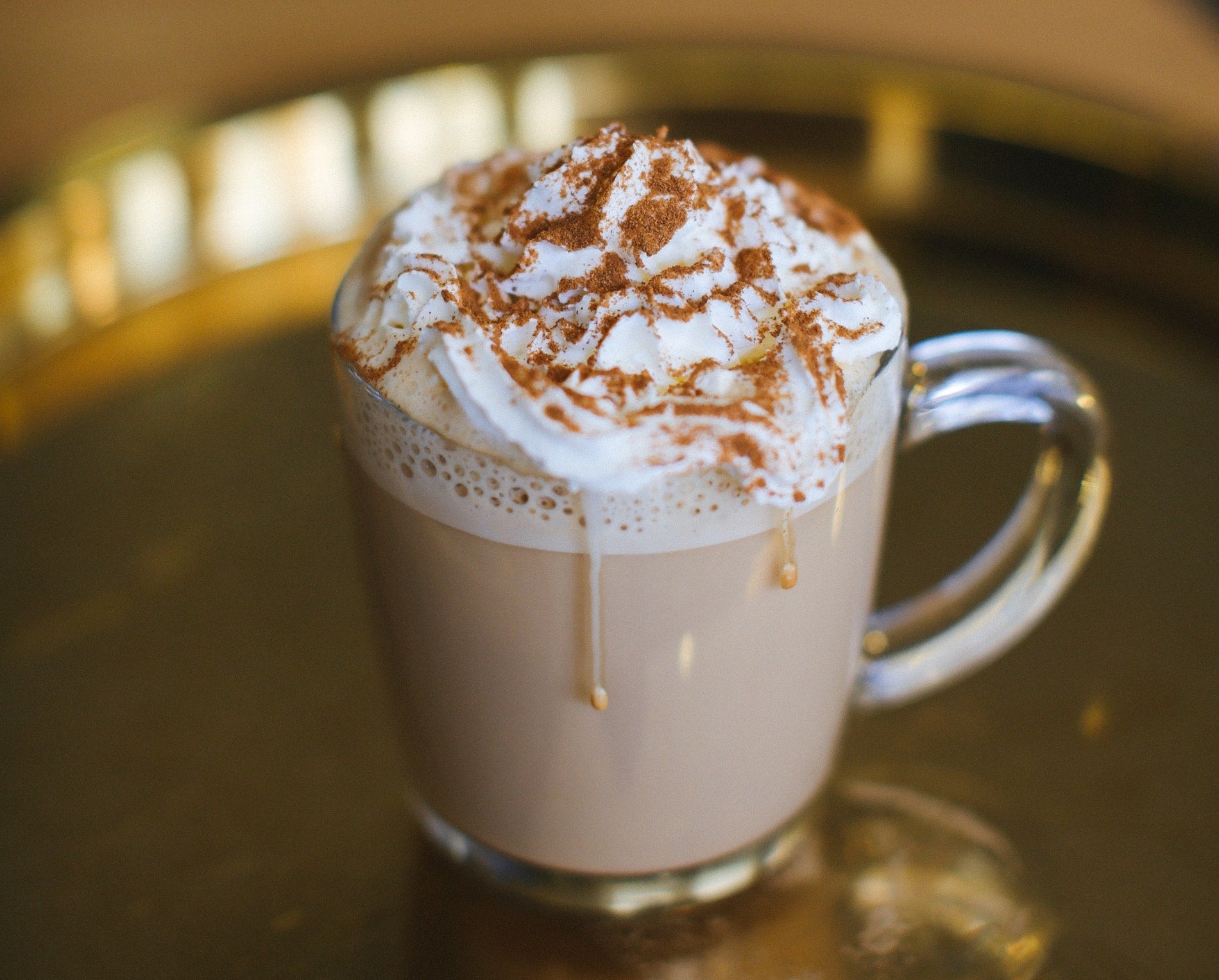
Espresso has a fine, dense, hazelnut-colored crema and a rounded flavor—a classic that's truly hard to resist. The higher levels of plant-based ingredients often develop chocolatey aromas with a long-lasting caramelized aftertaste during roasting. For those who prefer a more bitter taste, spicy flavors, or simply want to experiment with new alchemies, the expertise and creativity of artisan producers like Torrefazione Caffè Negro, a coffee roaster between Empoli and Florence, come into play.

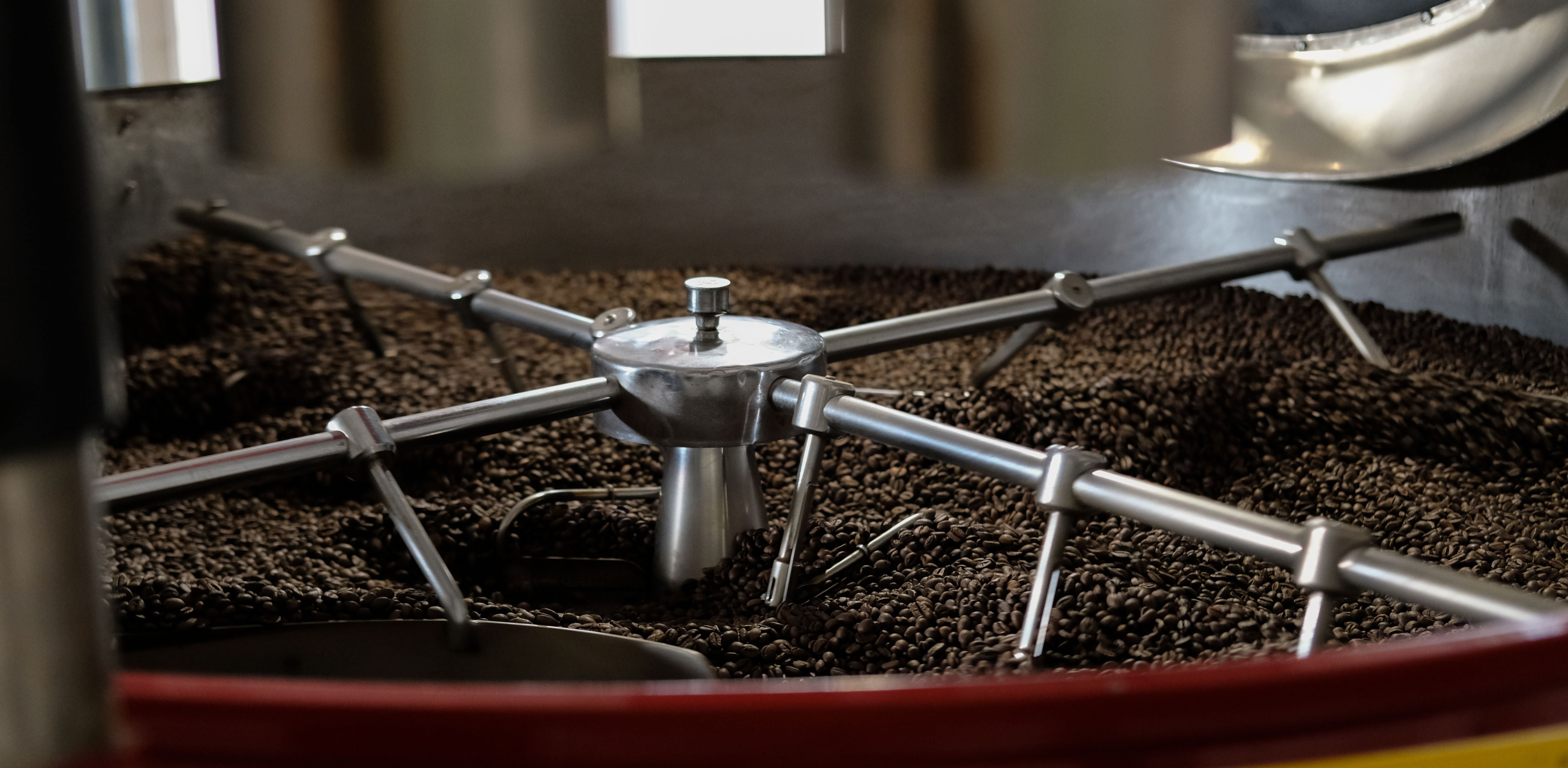
Only an expert roaster can create truly unique blends with select varieties. We, of course, also use this type of coffee to create our blends.
Contact us or come visit us and ask for advice.
The differences between Arabica coffee and Robusta coffee
If you're still wondering what the differences are between Arabica and Robusta coffee, you'll certainly find it helpful to know that the latter, as its name suggests, is more resistant to hot climates and disease. This makes it easier to grow even in areas where droughts are common.
Temperatures frequently exceed 30 degrees Celsius. Therefore, it can easily be found in Western Africa (i.e., in countries such as Cameroon, Ivory Coast, Congo, and Uganda) but also in the Far East, such as Vietnam and Indonesia. Coffea robusta also grows in Brazil, where it can be found at altitudes of up to 700 meters.
Another truly interesting feature of this type of coffee is the bean, which is smaller and can contain twice as much caffeine as Arabica. Here at Caffè Negro, we carefully monitor the raw materials: our primary goal is to produce quality coffee, and for this reason, we rigorously select the products we use.